- English
- Español
- Português
- русский
- Français
- 日本語
- Deutsch
- tiếng Việt
- Italiano
- Nederlands
- ภาษาไทย
- Polski
- 한국어
- Svenska
- magyar
- Malay
- বাংলা ভাষার
- Dansk
- Suomi
- हिन्दी
- Pilipino
- Türkçe
- Gaeilge
- العربية
- Indonesia
- Norsk
- تمل
- český
- ελληνικά
- український
- Javanese
- فارسی
- தமிழ்
- తెలుగు
- नेपाली
- Burmese
- български
- ລາວ
- Latine
- Қазақша
- Euskal
- Azərbaycan
- Slovenský jazyk
- Македонски
- Lietuvos
- Eesti Keel
- Română
- Slovenski
- मराठी
- Srpski језик


How Do Tie Rod Ends Influence Vehicle Steering Performance?
2025-12-12
Tie rod ends are critical components in automotive steering systems, serving as the connection point between the steering rack and the steering knuckle. These components play a pivotal role in ensuring precise steering control, maintaining alignment, and absorbing road shocks. For professional mechanics and vehicle owners alike, selecting high-quality tie rod ends is essential for long-term reliability, safety, and performance.
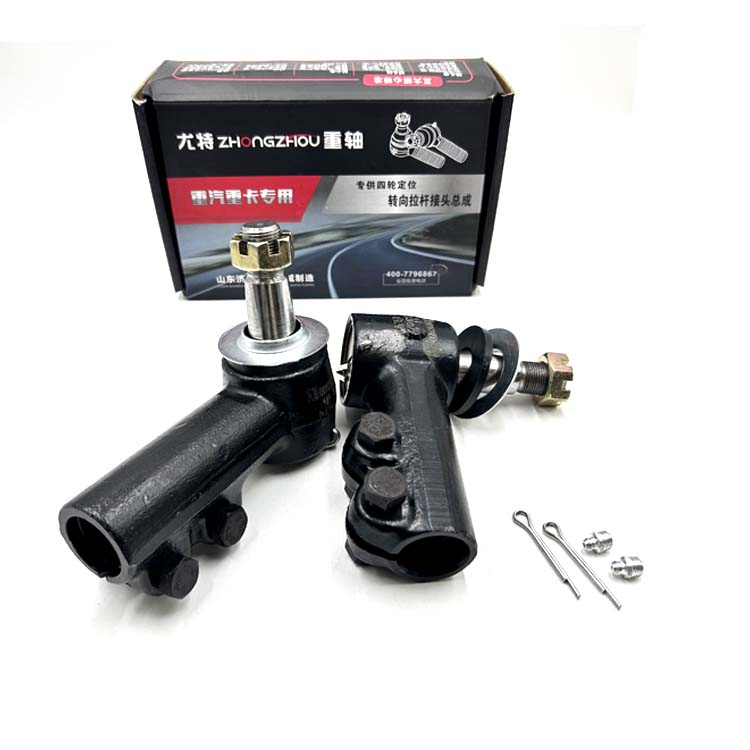
Tie rod ends are engineered to withstand significant mechanical stress while allowing smooth pivoting motion. Their durability and responsiveness directly impact steering accuracy and vehicle handling. This article delves into the technical specifications, operational principles, and frequently asked questions about tie rod ends, providing a comprehensive guide for those seeking to optimize their vehicles’ steering performance.
Product Technical Overview
Tie rod ends are produced in various sizes and configurations to suit different vehicles, including passenger cars, commercial trucks, and industrial machinery. The following table highlights the typical specifications:
| Parameter | Specification Range |
|---|---|
| Material | Forged steel, carbon steel, or alloy steel |
| Ball Stud Diameter | 10mm – 25mm |
| Thread Size | M10 × 1.25 – M20 × 2.5 |
| Total Length | 80mm – 300mm |
| Load Capacity | 1,500N – 5,000N |
| Ball Stud Angle | 25° – 40° |
| Protective Coating | Zinc-plated, black oxide, or PTFE coated |
| Operating Temperature Range | -40°C to +120°C |
| Lubrication | Pre-lubricated or grease fitting options |
These specifications demonstrate the precision engineering behind tie rod ends. The material selection, combined with optimized geometry, ensures that the component can handle both longitudinal and lateral forces while maintaining smooth rotational movement.
Tie rod ends are also categorized into inner tie rod ends and outer tie rod ends. Inner tie rod ends connect directly to the steering rack, whereas outer tie rod ends attach to the steering knuckle. Proper coordination between these two components ensures accurate steering response and prevents uneven tire wear.
How Do Tie Rod Ends Affect Steering and Vehicle Safety?
Tie rod ends directly influence the alignment and responsiveness of the steering system. A worn or damaged tie rod end can lead to:
-
Uneven tire wear due to misalignment
-
Loose or “wandering” steering
-
Vibration or clunking noises during steering
-
Reduced control during emergency maneuvers
Operational Mechanism:
Tie rod ends function as pivot points. The ball stud at the end of the tie rod allows rotational movement in multiple directions while maintaining a rigid connection to the steering knuckle. High-quality tie rod ends feature hardened ball studs and precision sockets to reduce friction and extend lifespan.
Maintenance Tips:
-
Inspect for play or looseness regularly.
-
Check protective boots for cracks or leaks.
-
Lubricate greasable tie rod ends according to manufacturer guidelines.
Investing in superior tie rod ends ensures that steering response remains accurate even under extreme conditions, which is particularly important for high-speed driving, off-road vehicles, and heavy-duty commercial trucks.
How to Select the Right Tie Rod Ends for Your Vehicle?
Selecting the correct tie rod end involves more than matching thread size or ball stud diameter. Consider the following factors:
-
Vehicle Type: Passenger cars, trucks, and heavy machinery require different load capacities and ball stud angles.
-
Material Quality: Forged steel or alloy steel provides higher durability than standard carbon steel.
-
Protective Coating: Zinc plating or PTFE coatings prevent rust and corrosion, especially in harsh environments.
-
Grease or Maintenance Needs: Pre-lubricated tie rod ends reduce maintenance but may have a shorter lifespan in heavy-duty conditions compared to greasable types.
-
OEM Compatibility: Always verify that tie rod ends match original equipment specifications for thread pitch, length, and angle.
A precise match ensures optimal handling, prevents premature wear, and enhances vehicle safety. Professional workshops often use torque specifications when installing tie rod ends to avoid over-tightening, which can compromise the ball stud and socket.
Common Questions About Tie Rod Ends:
Q1: How often should tie rod ends be inspected or replaced?
A1: Tie rod ends should be inspected every 20,000 to 30,000 miles or annually. Replacement is recommended if there is noticeable play, uneven tire wear, or any damage to the protective boot. Regular inspection prevents steering instability and extends the lifespan of associated suspension components.
Q2: Can worn tie rod ends cause accidents?
A2: Yes. Worn tie rod ends can cause steering looseness, misalignment, and reduced responsiveness, significantly increasing the risk of accidents, particularly during high-speed maneuvers or emergency stops. Prompt replacement is critical for driver safety.
How Are Tie Rod Ends Manufactured and Tested for Quality?
Tie rod ends undergo a series of manufacturing and testing processes to ensure durability and precision:
-
Forging: Raw steel or alloy is forged to create a high-strength component capable of withstanding tensile and shear forces.
-
Machining: Precision machining ensures that the ball stud, socket, and threaded sections meet tight tolerances.
-
Heat Treatment: Components are heat-treated to achieve the required hardness and toughness.
-
Surface Coating: Protective coatings, such as zinc plating or PTFE, are applied to prevent corrosion and extend service life.
-
Load Testing: Components are subjected to dynamic and static load tests to simulate real-world steering conditions.
-
Lubrication: Greasable tie rod ends are filled with high-quality grease to ensure long-term smooth operation.
Advanced manufacturing ensures that tie rod ends can maintain alignment and functionality under harsh conditions, including high load, vibration, and temperature extremes. High-quality tie rod ends also reduce the risk of premature failure in steering systems.
How Do Tie Rod Ends Integrate with Modern Steering Systems and Future Trends?
While tie rod ends are a traditional component of mechanical steering systems, their integration with modern steering technologies has become increasingly critical. Electronic Power Steering (EPS) systems rely on precise tie rod ends to transmit steering inputs accurately, maintaining safety and comfort.
Future trends in tie rod design include:
-
Enhanced Materials: Use of advanced alloys and composite materials to reduce weight while maintaining strength.
-
Improved Lubrication Systems: Self-lubricating and long-life greases to reduce maintenance.
-
Precision Manufacturing: Tighter tolerances for high-performance vehicles to improve steering responsiveness.
Final Thoughts:
Choosing high-quality tie rod ends is essential for safe and reliable steering performance. Components should be selected based on material strength, load capacity, thread compatibility, and maintenance requirements. For professionals and vehicle owners seeking dependable products, Hebei Tuoyuan Machinery Co., Ltd. offers a wide range of tie rod ends engineered to meet strict quality standards. Contact us for inquiries or customized solutions to enhance vehicle steering performance.